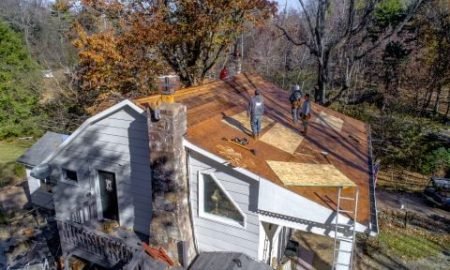
When it comes to finding your dream home, the traditional single-family house is often the first image that comes to mind. The allure of privacy, ample space, and the freedom to customize within zoning regulations is undeniable. However, it’s essential to remember that single-family homes aren’t the only option. Depending on your specific needs and location, you might find better and more cost-effective alternatives such as condos, townhouses, co-ops, multifamily homes, manufactured homes, modular homes, or even tiny houses. In this article, we’ll explore these diverse homeownership options and help you determine which one aligns best with your preferences.
Single-Family Homes: A Timeless Classic
Site-built, detached single-family houses are quintessential American homes, boasting direct access to the outdoors, no shared walls, and outdoor spaces for homeowners. With approximately 62% of all residences in the U.S. being detached single-family houses, they remain the most prevalent type of homeownership.
Condos: Affordable Elegance
Condos, short for condominiums, offer an affordable alternative to single-family homes. In a multi-story building, condos are often indistinguishable from rental apartments. However, the key distinction lies in ownership. When you buy a condo, you have sole ownership of your unit’s interior, along with joint ownership of outdoor and shared spaces. A condominium association manages the shared aspects, including maintenance and landscaping, ensuring a hassle-free living experience.
Townhouses: The Best of Both Worlds
Townhouses bridge the gap between single-family homes and condos. These homes provide sole ownership of your unit’s land, typically with the responsibility of maintaining it. While you share walls with neighboring units, you won’t have neighbors above or below your living space. This combination offers a unique living experience, combining privacy with a sense of community.
Co-ops: Shareholder Style
Cooperative housing, commonly known as co-ops, offers a distinct form of homeownership. Rather than owning an individual unit, co-op buyers become shareholders in the building or development. The value of your share depends on your unit’s worth and the co-op’s financial structure. Co-ops can encompass various living situations, including single-family homes or apartment buildings. However, prospective co-op buyers should be prepared to pay maintenance fees and adhere to the co-op board’s rules.
Multifamily Homes: Sharing the Space
Multifamily homes differ from single-family homes and condos through shared utilities or storage spaces. They often comprise duplexes with two side-by-side units owned by one individual. Alternatively, large, older houses may be converted into multifamily units, with one owner and separate unit rentals. This unique setup offers a diverse range of options for homeownership.
Manufactured Homes: Modern Comfort
Manufactured homes are constructed in factories, transported to their permanent or semi-permanent foundations, and installed on-site. A key distinction is that these homes adhere to U.S. Department of Housing and Urban Development (HUD) standards, differentiating them from mobile homes. Purchasing a manufactured home can be done through retailers, real estate agents, online marketplaces, or even manufactured home developments. It’s crucial to note that these homes may require permanent foundations to be eligible for mortgage financing.
Modular Homes: Factory-Built Efficiency
Modular homes share the factory construction process with manufactured homes. However, they adhere to local and state building codes like traditional single-family homes. After transport to the home site, local contractors assemble the modules on permanent foundations, providing a more cost-effective and time-efficient option for prospective homeowners.
Tiny Houses: Compact Living
Tiny houses, generally under 400 square feet, offer a minimalist living experience. These homes can be movable or built on permanent foundations and can comply with HUD standards for manufactured housing. Tiny houses have gained popularity due to their affordability, energy efficiency, and small ecological footprint. If you’re considering a tiny house, determine whether you want a movable or fixed structure and research local laws and zoning codes for guidance.
In Conclusion
Regardless of your preferred homeownership type, it’s essential to begin with the same fundamental steps: establish your homebuying budget, compare lenders, obtain a mortgage preapproval, and start your search for the ideal property. Understanding the diverse options available will empower you to make an informed decision that aligns with your needs and lifestyle.